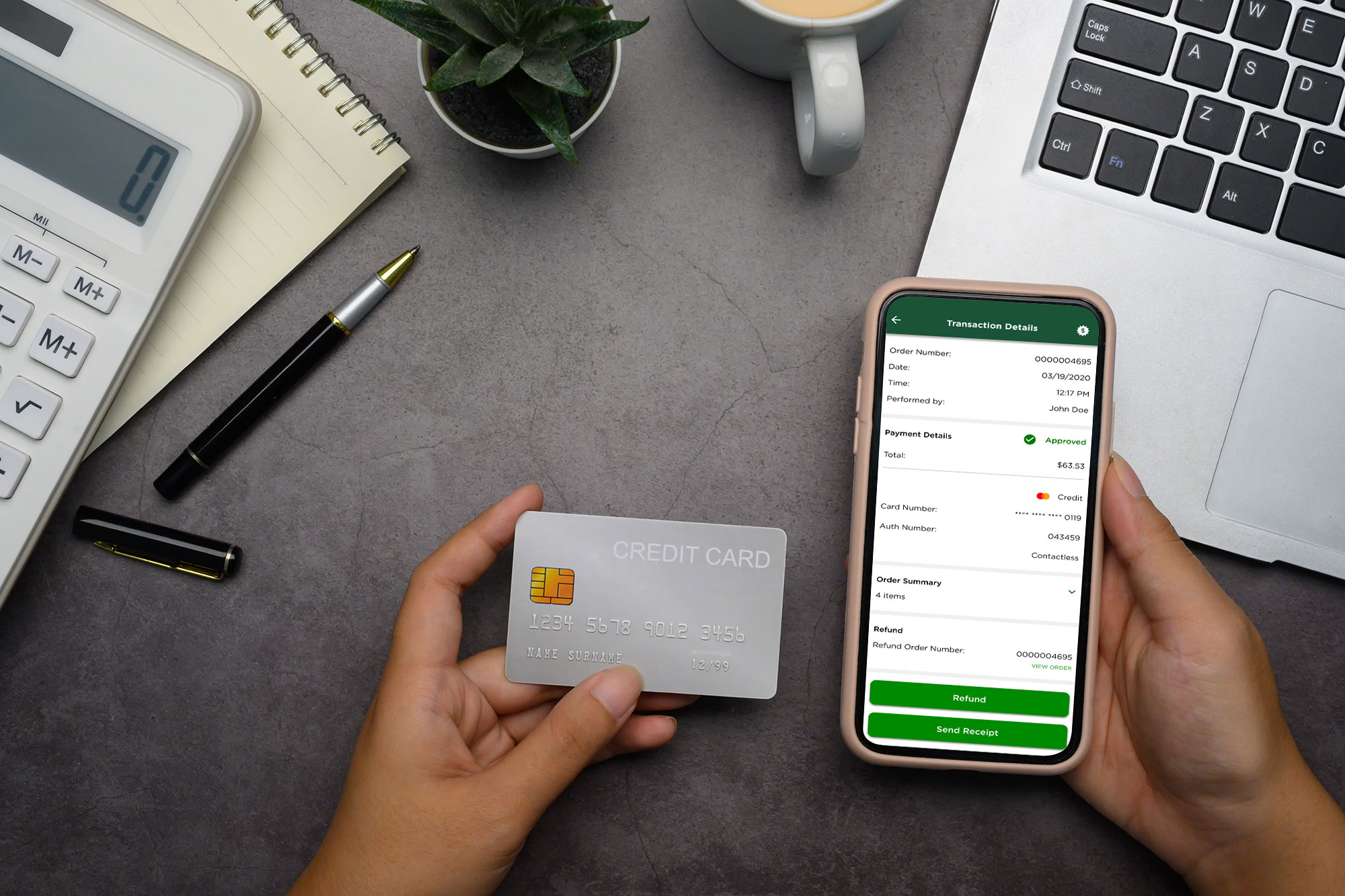
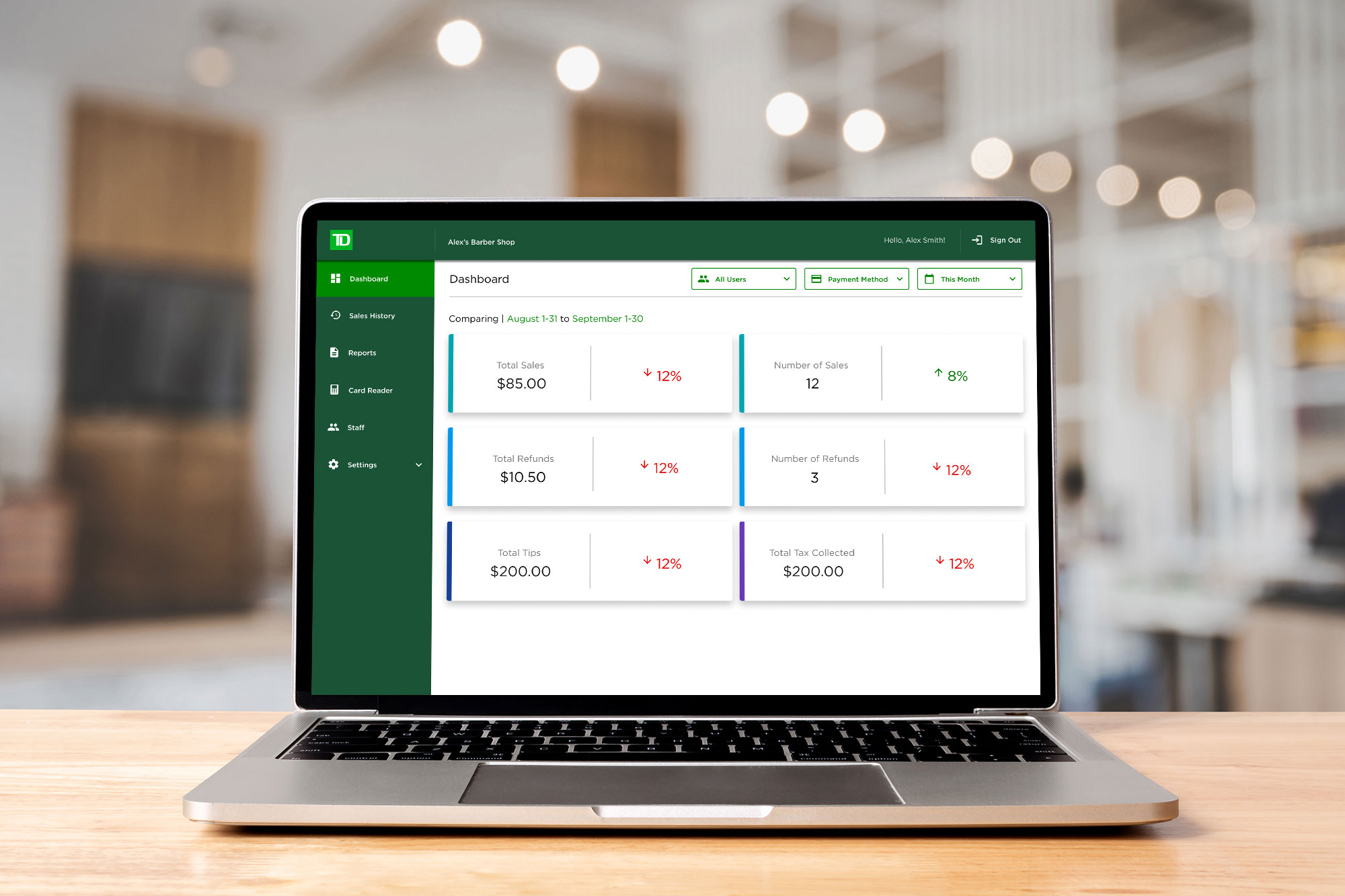
A mobile payment experience designed to help Canadian businesses securely accept payments using compatible smart devices.
TD Mobile Pay was designed to provide Canadian businesses with a flexible alternative to traditional payment terminal hardware. As the lead UI/UX Designer at Dream Payments, I translated payment, security and operational requirements into clear customer journeys and intuitive mobile and web interfaces.

Create a clear payment experience that allows merchants to accept contactless payments using compatible smartphones without depending on traditional payment terminal hardware.
Support merchants working in mobile and flexible environments, including service appointments, pop up shops, events and other locations outside a traditional storefront.
Present authentication, verification and transaction requirements clearly so merchants feel confident that every payment is being processed securely.
Use compatible smartphones to reduce reliance on dedicated payment terminals and make mobile payment acceptance more accessible to businesses.
Reduce unnecessary steps, provide clear transaction feedback and help merchants move efficiently from purchase entry to payment confirmation.

Meet payment security and authentication requirements without making the experience feel overly complicated or difficult for merchants to navigate.
Account for changing network conditions by providing clear loading, processing, error and recovery states throughout the transaction.
Create familiar interactions, straightforward onboarding and clear guidance that help merchants feel comfortable moving away from traditional payment terminals.
Design flexible interfaces that remain clear and usable across different smartphones, screen sizes and supported operating systems.
Minimize unnecessary steps and communicate transaction status clearly, particularly when network conditions affect processing time.

Translated merchant needs, business objectives and technical requirements into a clear experience strategy for the mobile payment product.
Developed user flows and information architecture for important tasks, including onboarding, authentication, payment processing and transaction confirmation.
Created wireframes, high fidelity interfaces and reusable visual patterns that made complex payment functions easier to understand and complete.
Worked through security and verification requirements while keeping interactions clear, approachable and efficient for merchants.
Developed responsive interface solutions that could adapt across supported smart devices, screen sizes and operating systems.
Created interactive prototypes, gathered feedback and refined the experience through usability findings, stakeholder review and design iteration.



Small and mobile businesses often depend on dedicated payment terminal hardware that can limit flexibility and create additional setup requirements. The opportunity was to create a smartphone based payment experience that made accepting secure payments more portable, accessible and efficient.
The experience also needed to balance payment security and operational requirements with an interface that merchants could easily understand, navigate and trust.

How might we reduce merchants’ reliance on traditional paymentterminal hardware?
How can security and authentication remain strong without making transactions difficult to complete?




The competitive analysis showed that a successful mobile payment product needed to feel as dependable and secure as a traditional payment terminal while offering greater flexibility and reduced hardware dependency.
The strongest opportunity for TD Mobile Pay was to combine familiar payment interactions with straightforward onboarding, responsive design and clear transaction feedback. Reusable interface patterns would also help create a consistent experience across devices and future partner branded implementations.
The primary audience included micro and small businesses seeking a more flexible alternative to traditional payment terminals. These merchants needed straightforward onboarding, intuitive transaction flows and reliable payment acceptance without complicated hardware requirements.
We discovered that small businesses face high costs with traditional POS systems, limiting scalability. There’s a need for a low-cost, portable solution that enables fast and secure payments via smartphones.
Businesses struggle to find a mobile payment solution that balances security with ease of use, hindering adoption of mobile POS systems.
Event organizers managing ticket sales or booths, as well as healthcare providers working in the field, will also find this mobile POS system valuable. Its flexibility and ease of use make it an ideal solution for businesses that need a reliable payment system wherever they are.
Additional audiences included mobile service providers, event vendors, pop up retailers and field based organizations. Their needs centred on portability, device compatibility, security, connectivity and the ability to confidently accept payments outside a fixed retail location.
#1 Independent Sellers
Owner-operated and micro businesses.
Independent sellers need straightforward setup, portable payment acceptance and simple transaction management without complicated hardware or technical requirements.

#2 Local Retailers
Small storefronts serving local customers.
Local retailers need a reliable payment experience that supports efficient checkout, clear transaction confirmation and easy access to essential sales information.

#3 Mobile Vendors
Merchants operating beyond a fixed location.
Mobile vendors need to securely accept payments at markets, events, pop-ups and customer locations while managing changing devices and connectivity conditions.

#4 Growing Merchants
Businesses expanding their products and sales channels.
Growing merchants need scalable payment tools, reusable workflows and clear reporting that can adapt as transaction volumes, product offerings and teams increase.

#5 Multi-Location Merchants
Established businesses operating across multiple locations.
Multi-location merchants need consistent payment experiences, secure processes and reliable visibility across different devices, employees and business locations.
TD Mobile Pay was defined around a focused set of capabilities designed to help merchants accept and manage payments with less friction. Each feature balanced portability, security, ease of use and consistency across supported devices.
Accept secure payments from different types of compatible devices across stores, events, pop ups and at customer locations.
Guide merchants with clear onboarding, familiar interactions, and simple navigation throughout each payment.
Maintain a clear and consistent experience across supported smartphones, screen sizes and operating systems.
Make authentication, verification, and transaction status clear while supporting essential payment security.
Reduce unnecessary steps from purchase entry through confirmation while giving clearer transaction feedback.
Give merchants clear access to transaction history, sales information, and reporting for informed decisions.
Feature prioritization focused on the capabilities merchants needed to begin accepting payments with confidence. The core experience centred on intuitive setup, secure transactions, device compatibility, faster checkout and support for multiple payment methods.
Supporting features strengthened day-to-day use, while future opportunities addressed scalability and partner needs. This framework separated essential launch requirements from enhancements that could be introduced as the product evolved.
To translate product requirements into a clear mobile experience, I mapped the three journeys most critical to completing a sale: account access, product selection and payment processing. Each flow documented key decisions, error states and system responses, helping reduce friction and align the product team before interface design began.
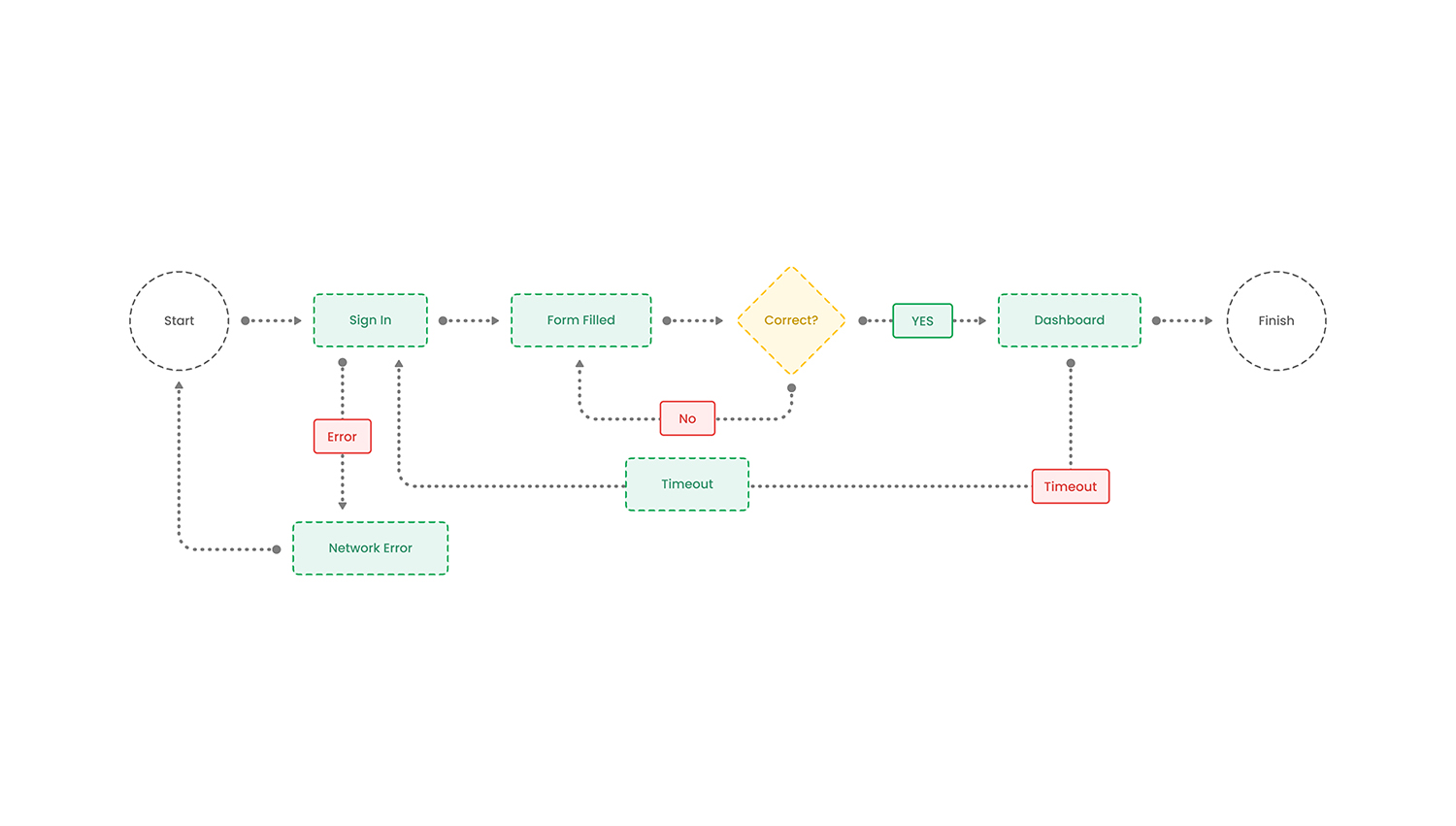


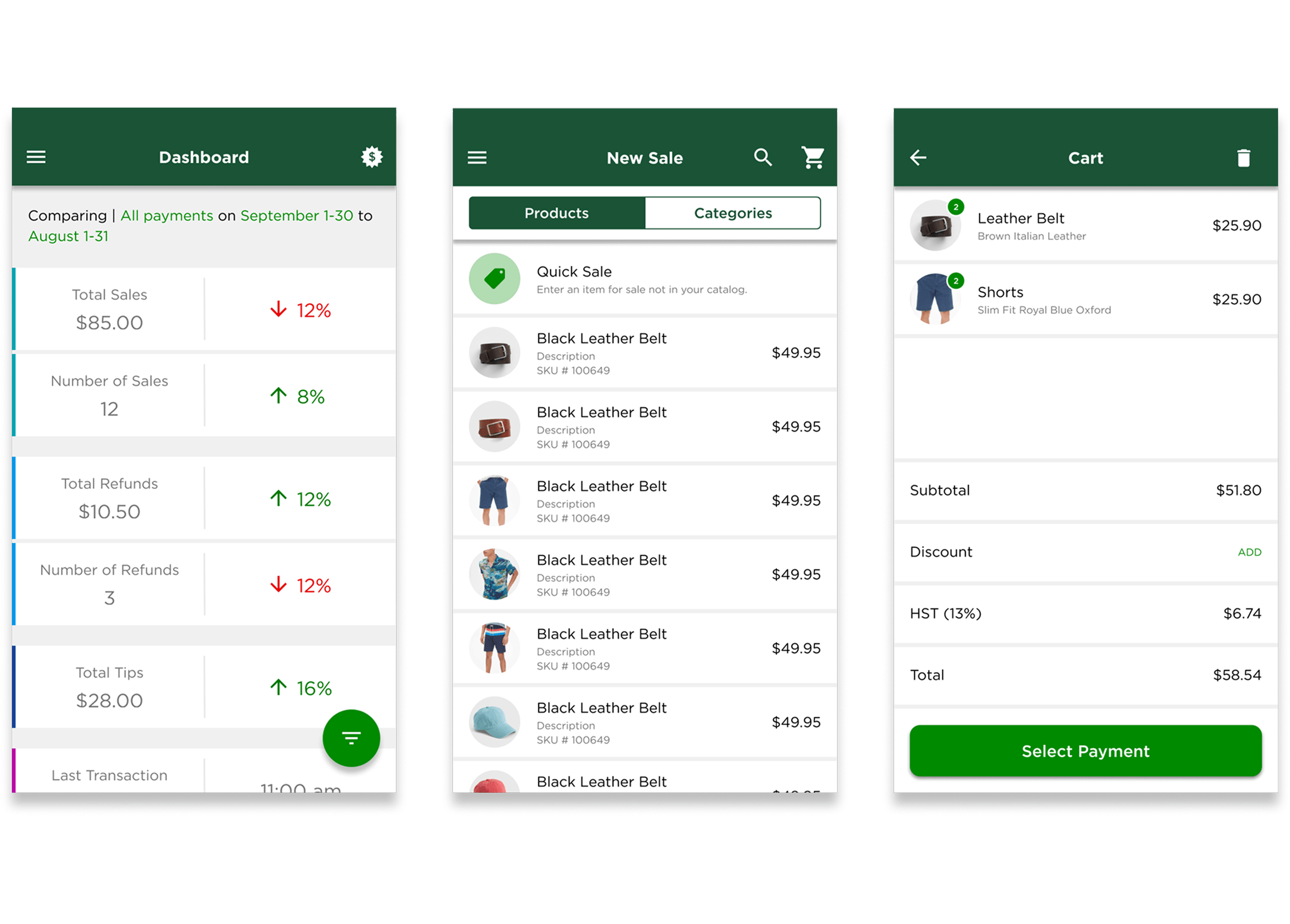
The experience begins with secure account access before moving into product selection, where merchants can browse items, adjust quantities and prepare an order. Mapping alternate paths and error states helped keep the primary sales journey efficient while accounting for real world interruptions.

The payment flow connects tender selection, authorization, confirmation and receipt delivery. Successful transactions return merchants to a ready state for the next sale, while declined payments and connectivity issues provide clear recovery paths without forcing users to restart.

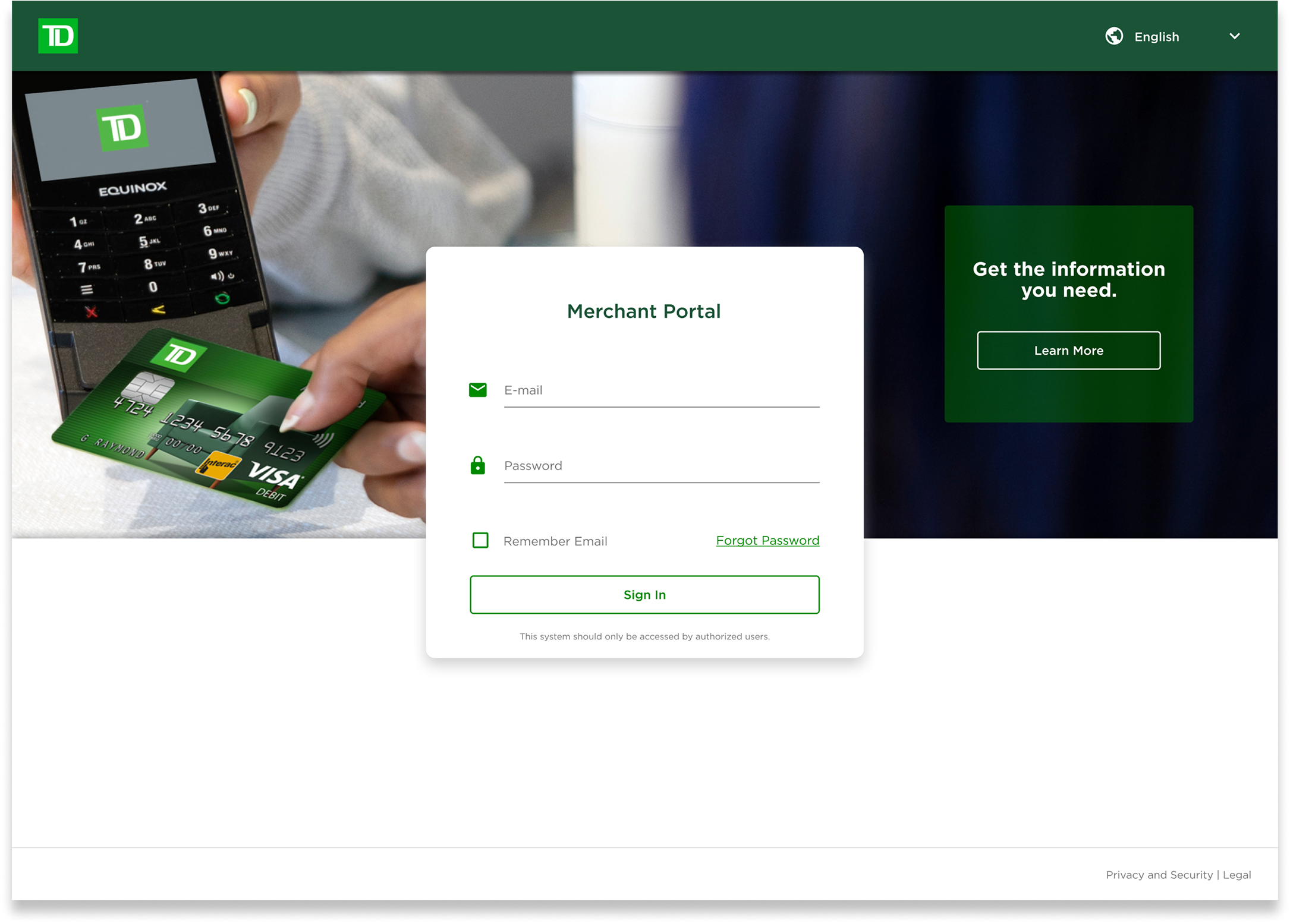
Low fidelity prototypes translated the approved user flows into clear, testable interfaces across mobile and desktop. I focused on establishing navigation, content hierarchy and task progression before introducing visual styling, allowing usability issues to be identified early.
The prototypes explored how merchants would move from account access and product selection through payment and confirmation. Designing both experiences together maintained consistent behaviours while adapting layouts and interactions to the needs of each screen size.
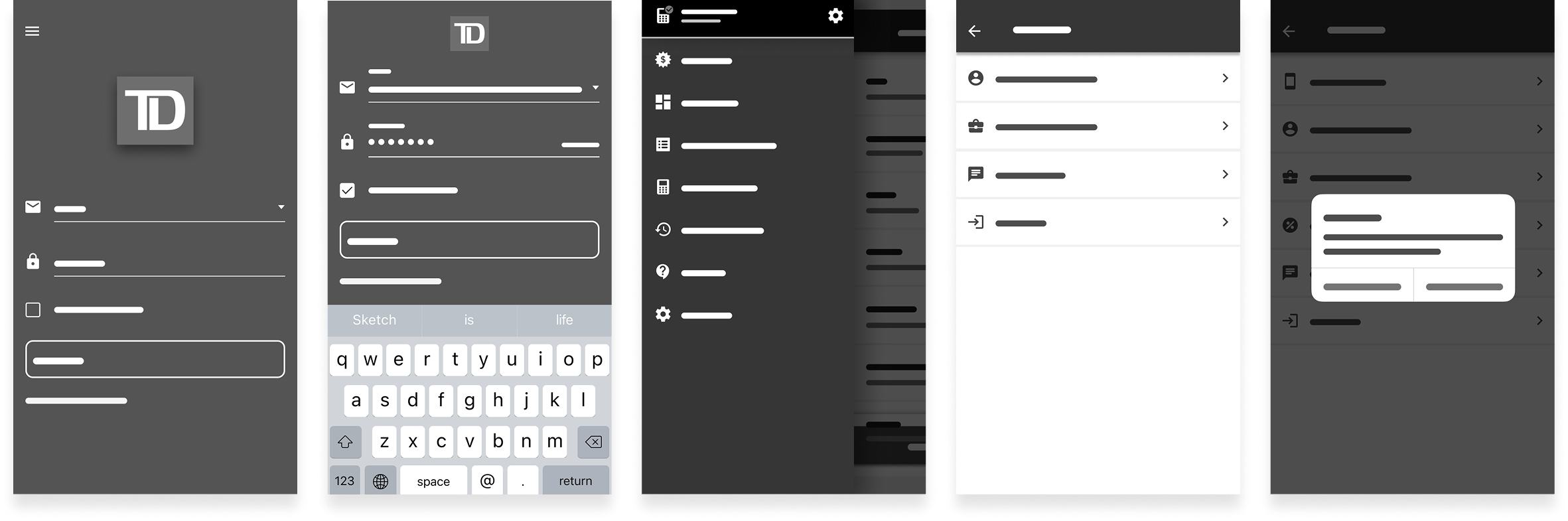
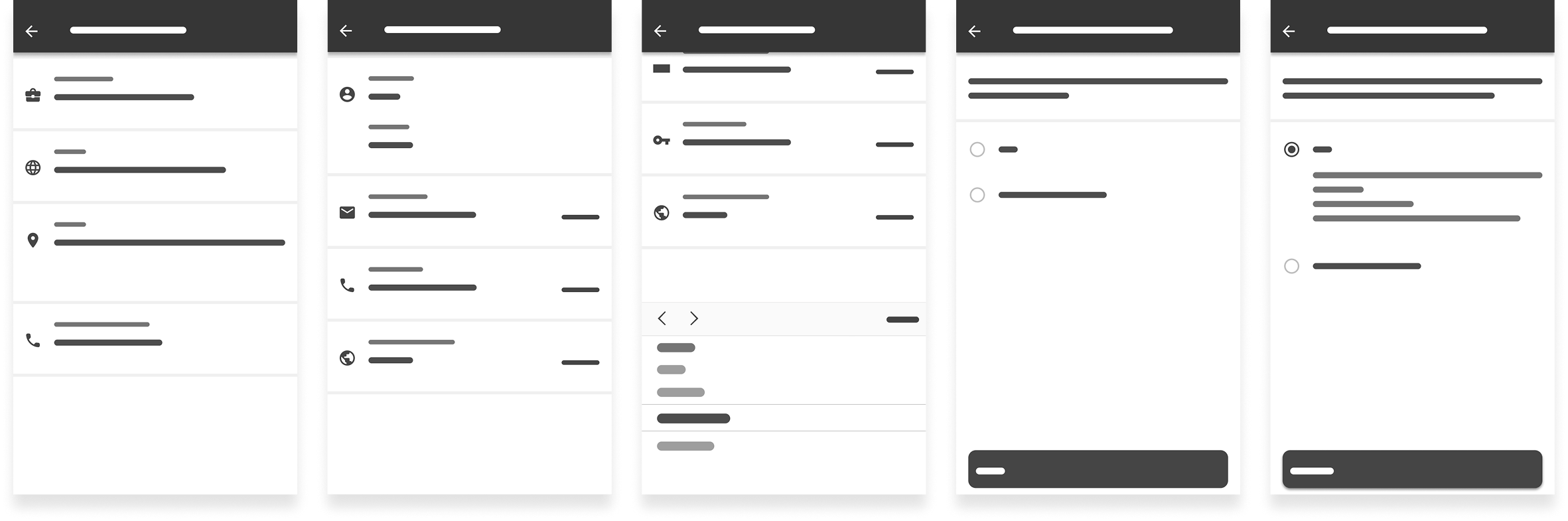
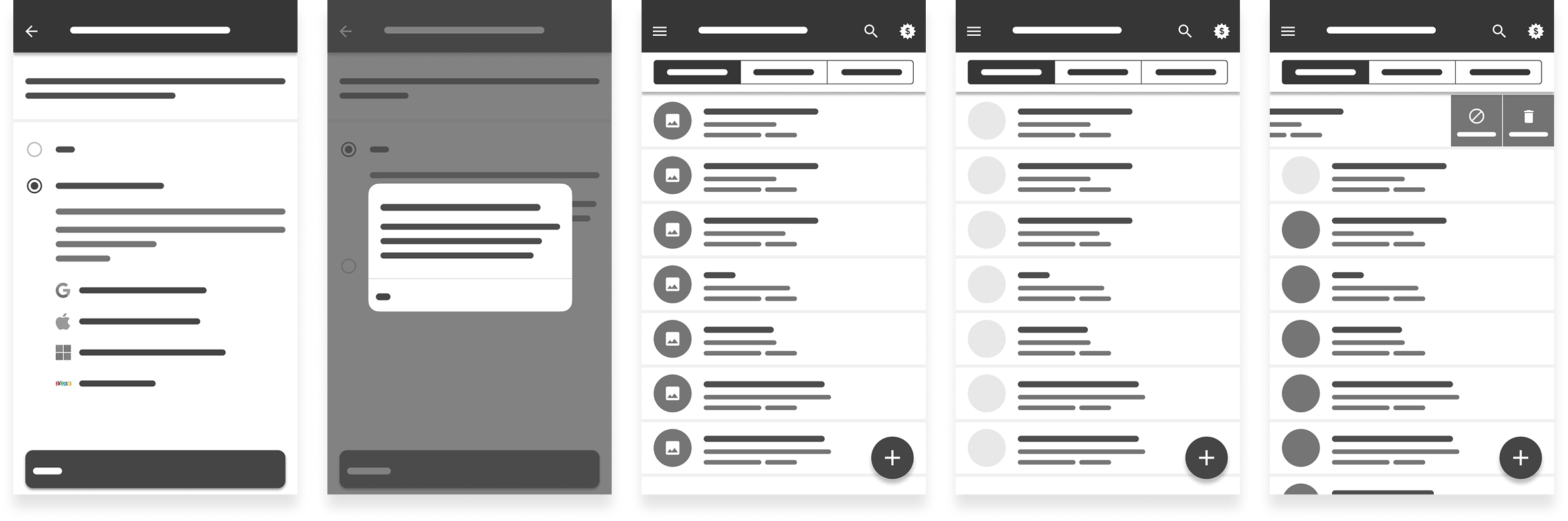
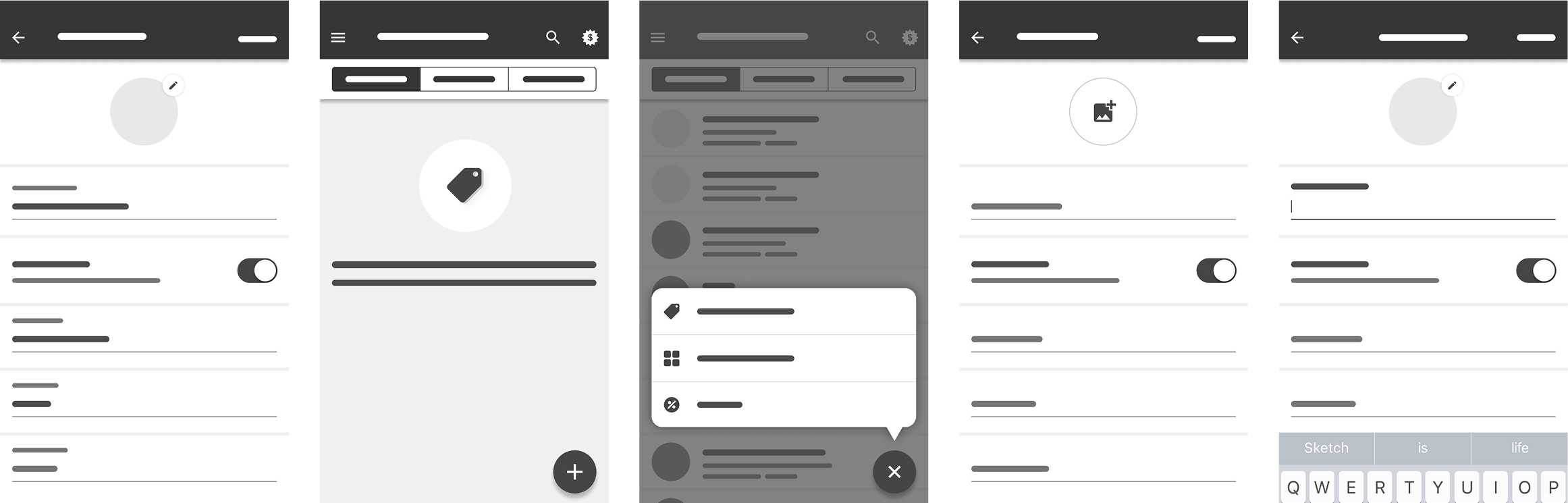
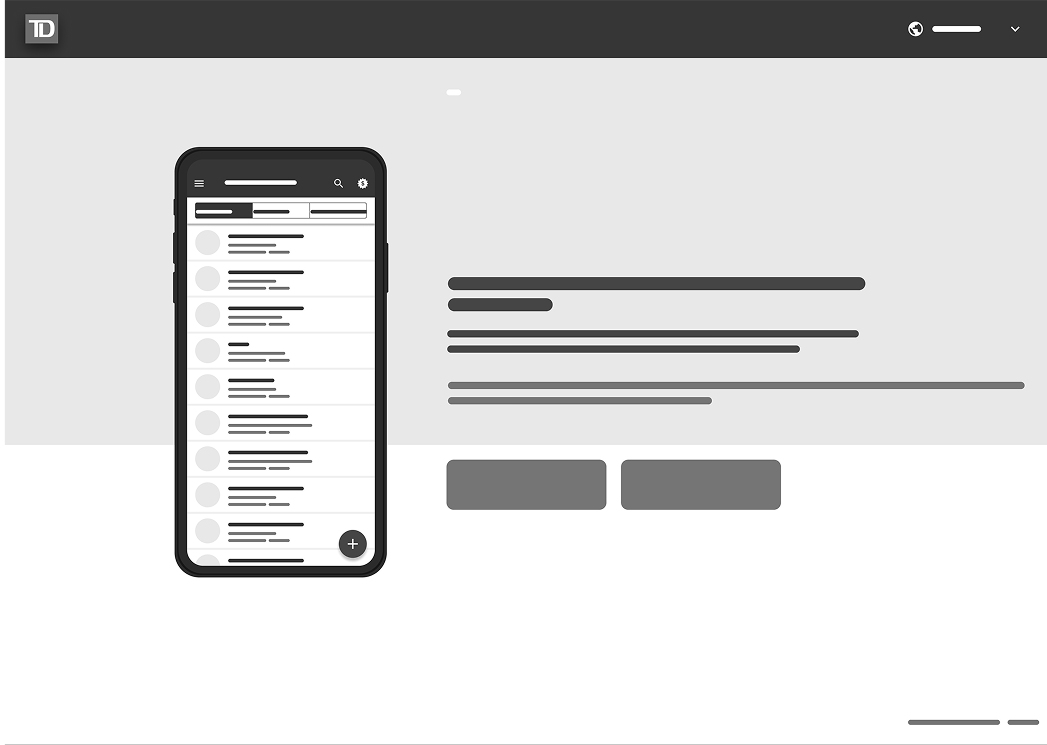
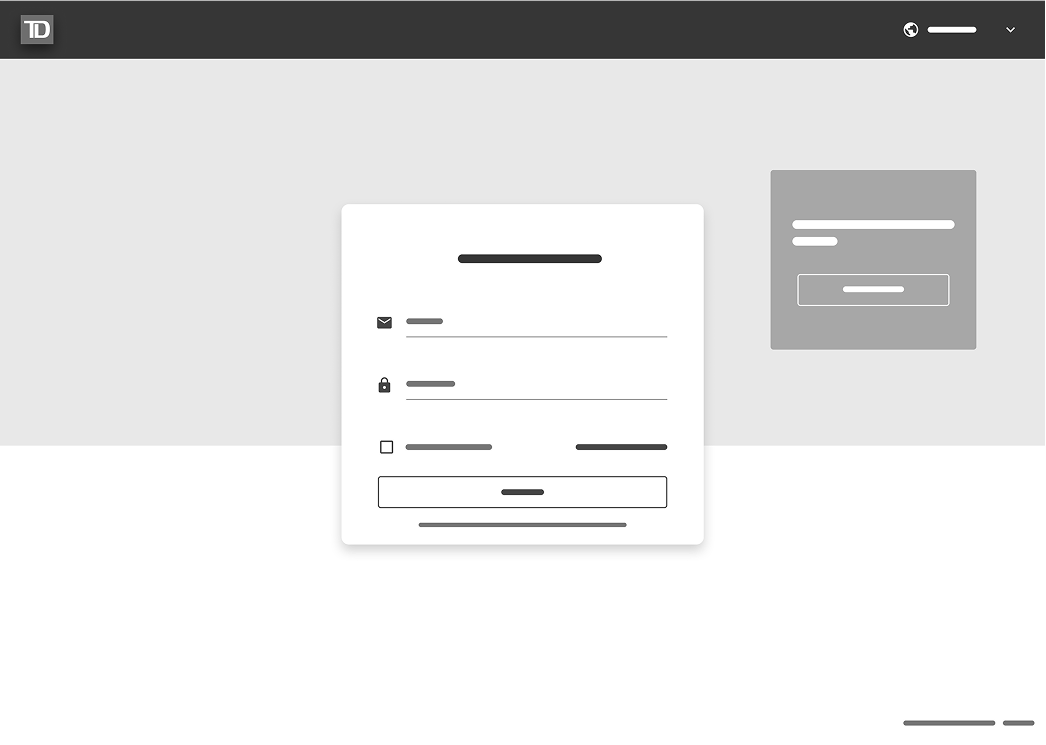
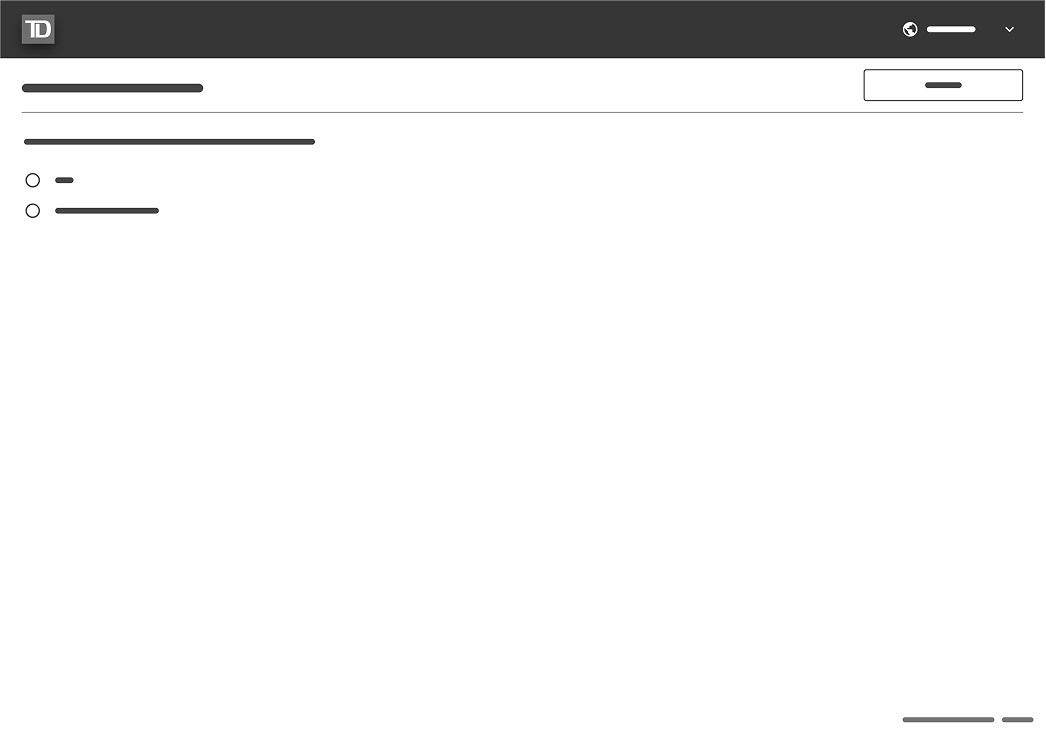
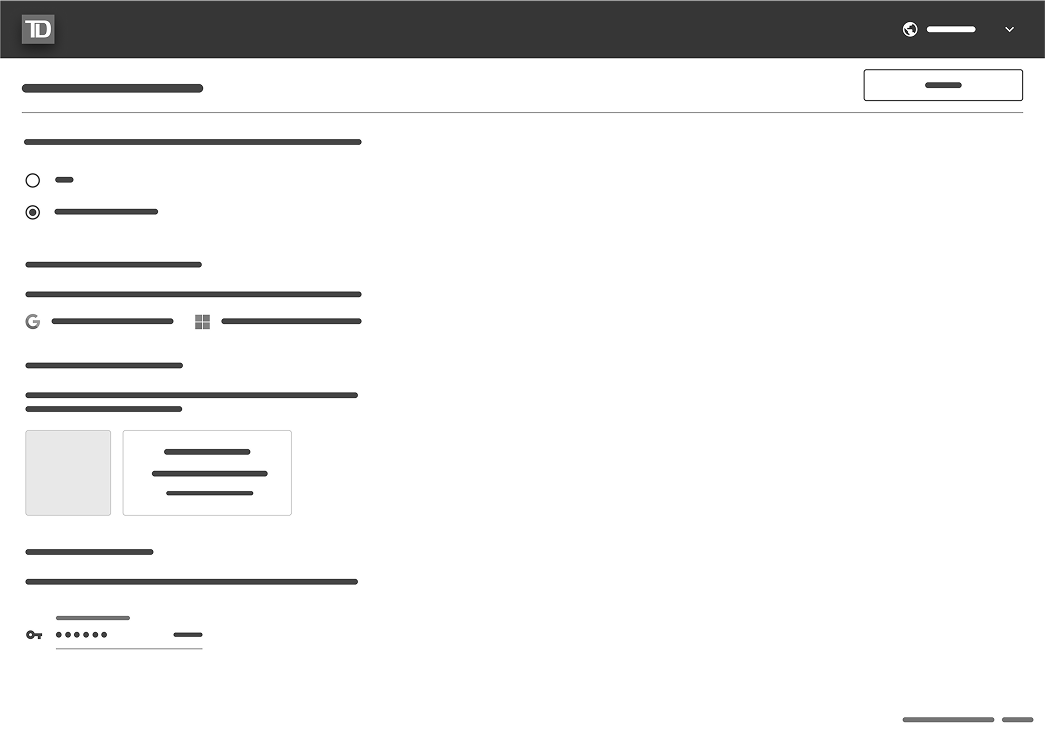
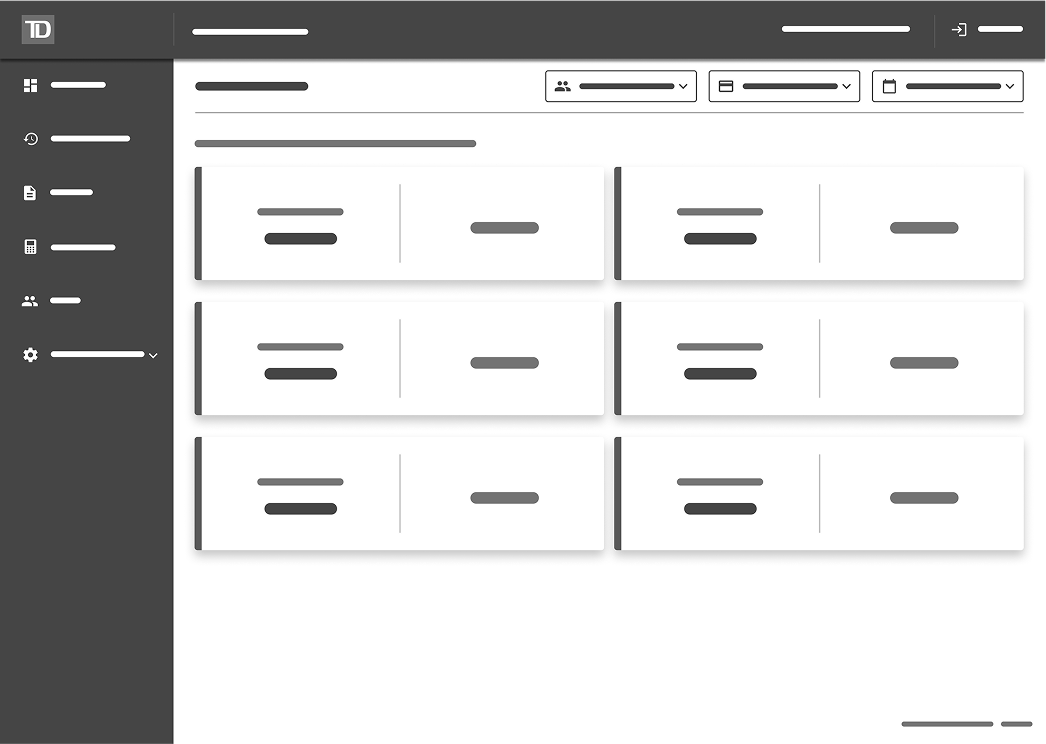
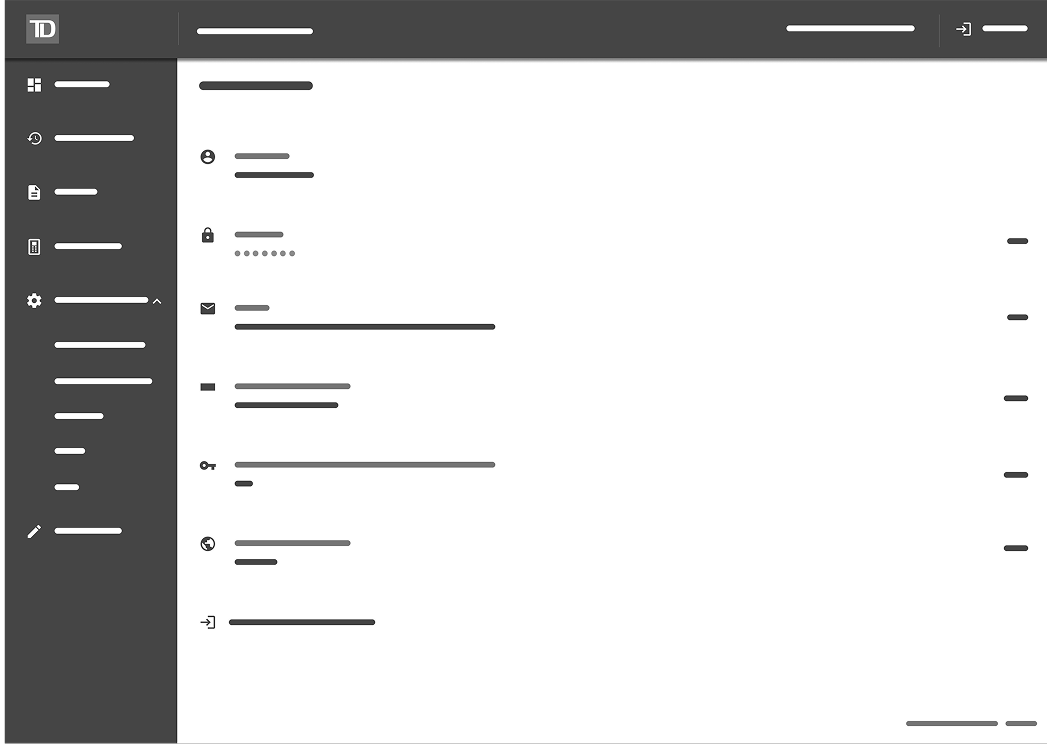
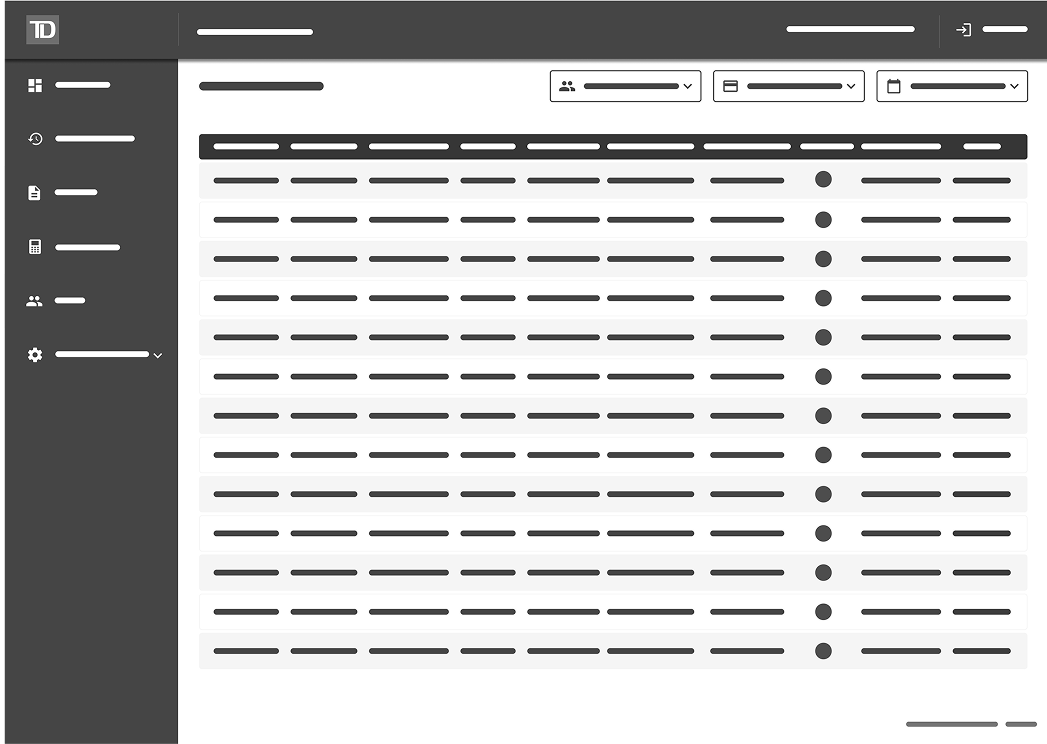
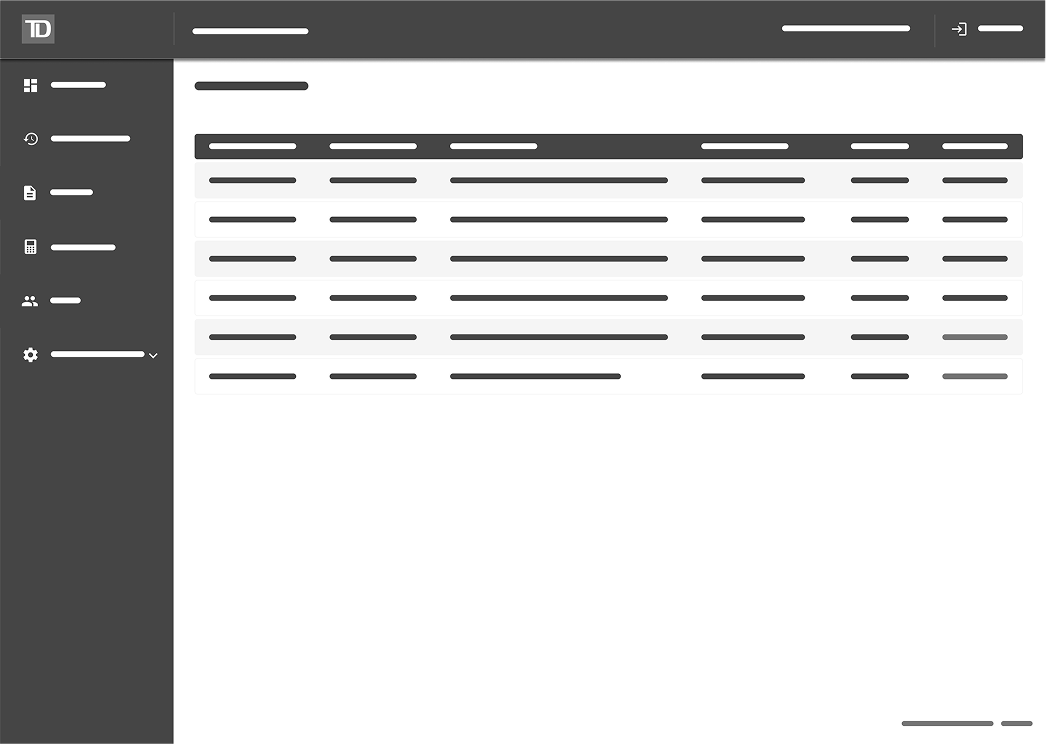
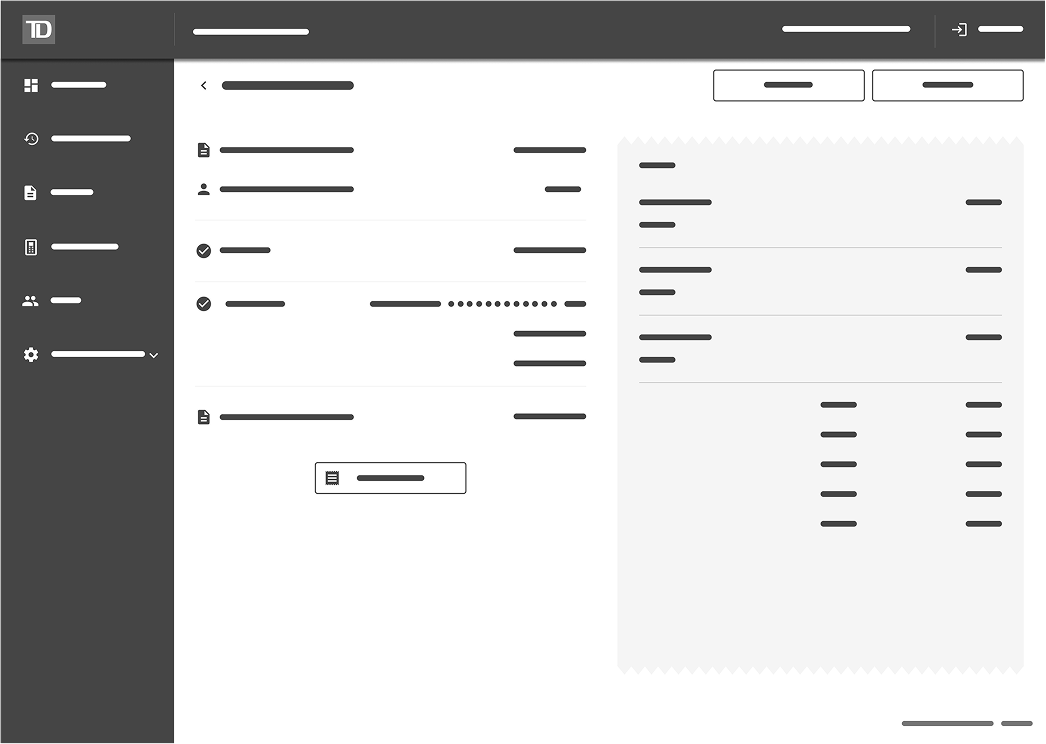
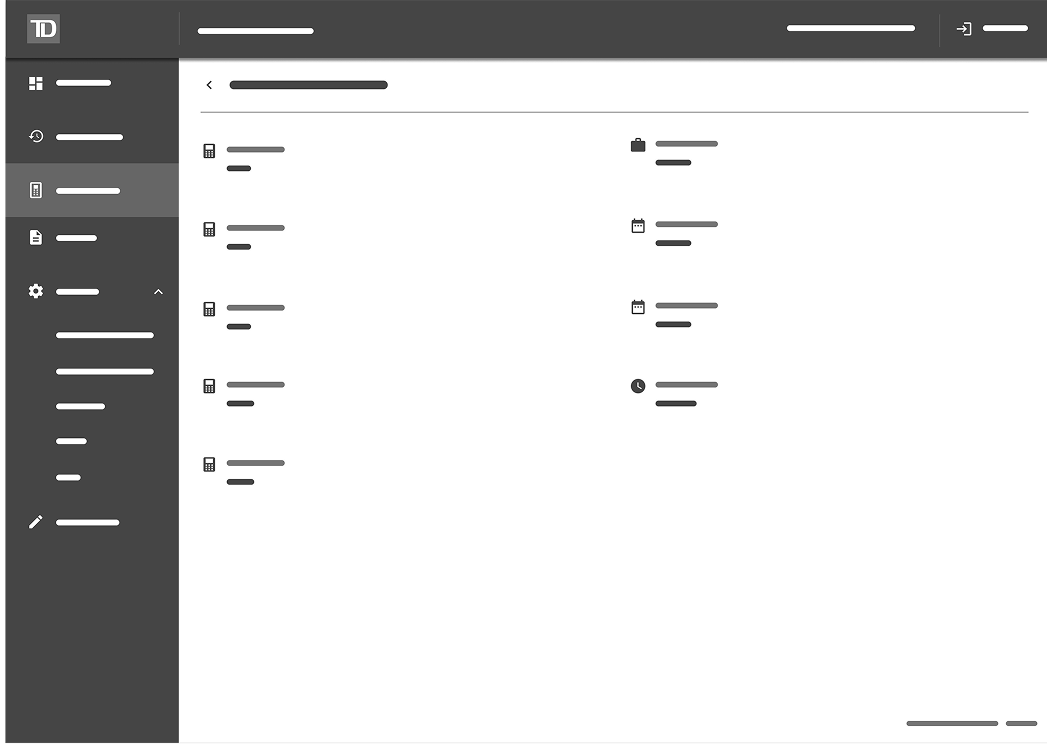
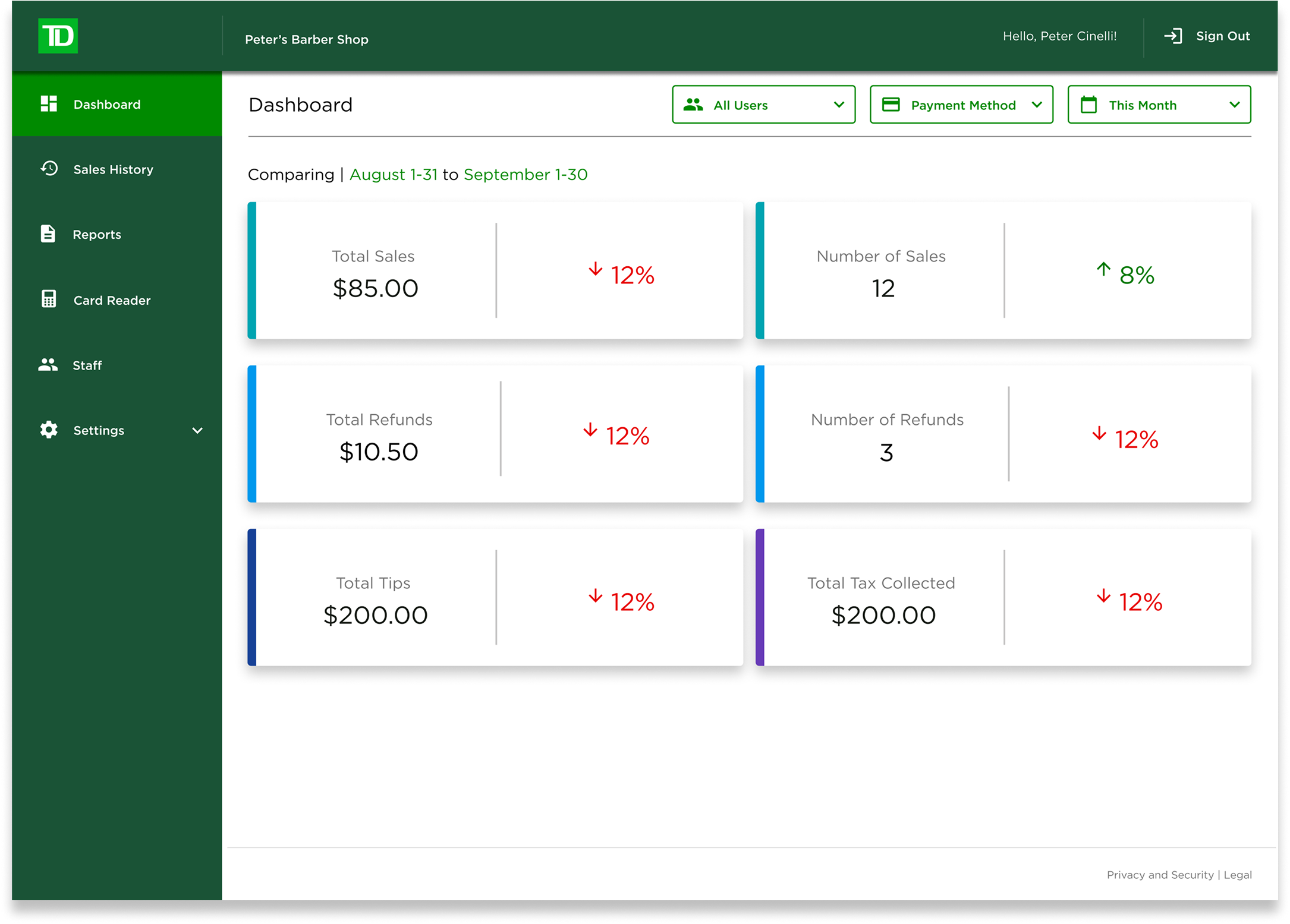
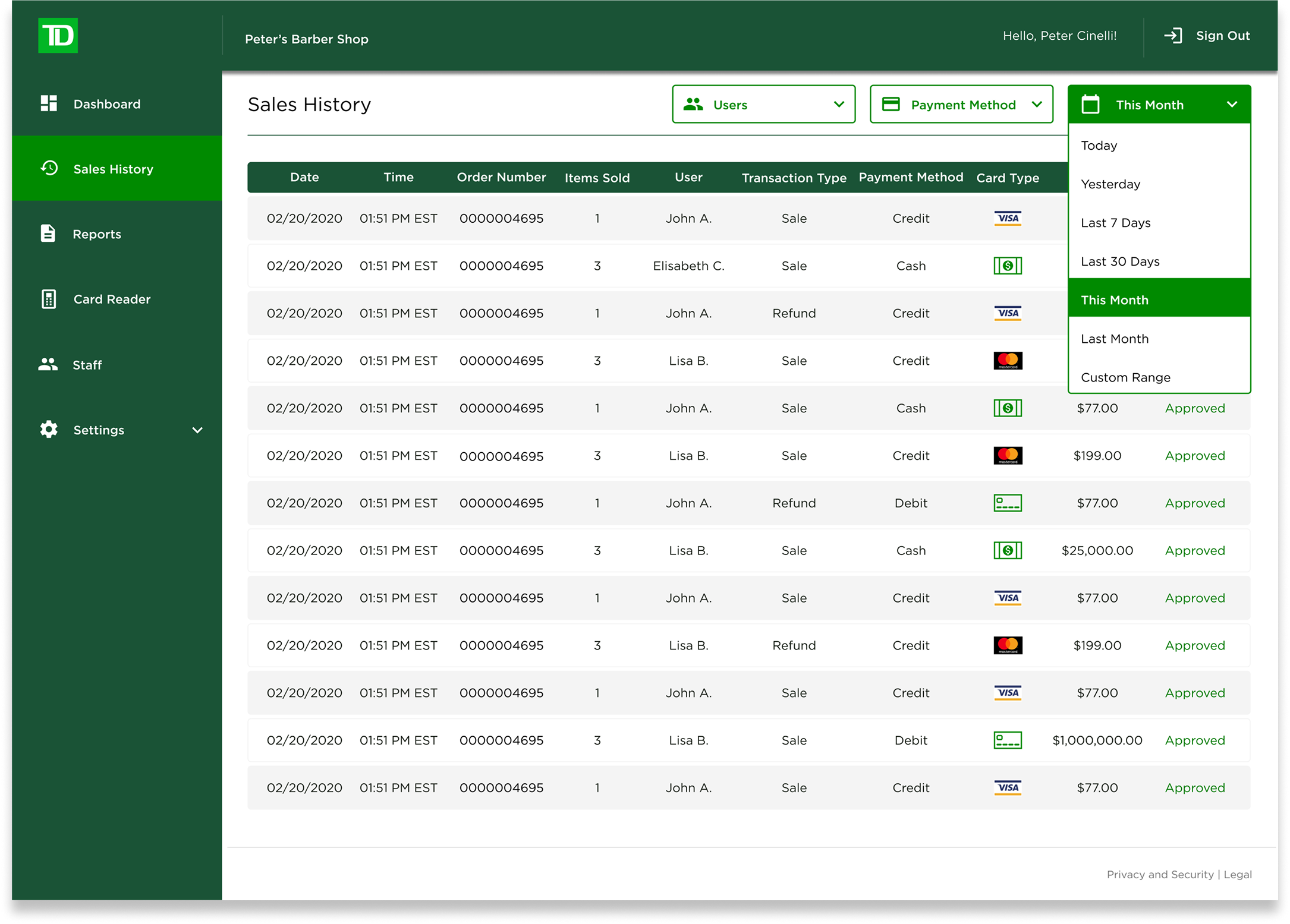
I translated TD’s established brand standards into a cohesive interface system using a defined colour palette, typography hierarchy, iconography and reusable components. The system created consistency across mobile and desktop while using clear hierarchy, accessible contrast and familiar interaction patterns to make navigation and key tasks easier to complete.
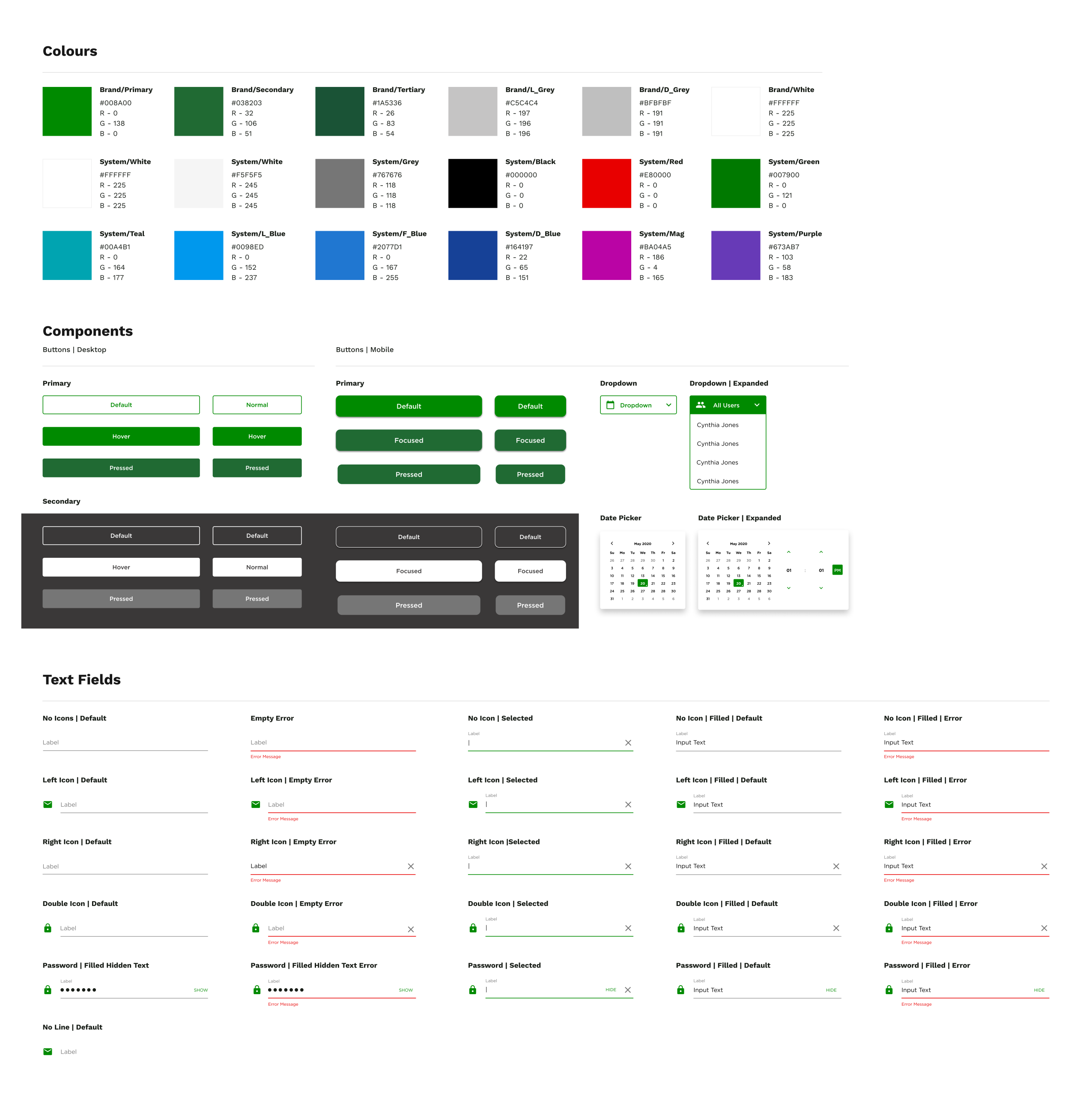

The final solution brought the core merchant journeys into a consistent experience across mobile and desktop. Clear navigation, reusable interface patterns and defined system states provided the product and engineering teams with a practical foundation for implementation. The work demonstrated how TD’s brand, security requirements and complex payment processes could be translated into an experience designed for speed, clarity and merchant confidence.
Designing for mobile payments required balancing transaction speed and simplicity with security, accessibility and clear system feedback. Mapping primary journeys and edge cases before visual design helped identify friction early, while reusable components supported consistency across platforms. The project reinforced the importance of aligning merchant needs, business objectives and technical constraints throughout the design process.

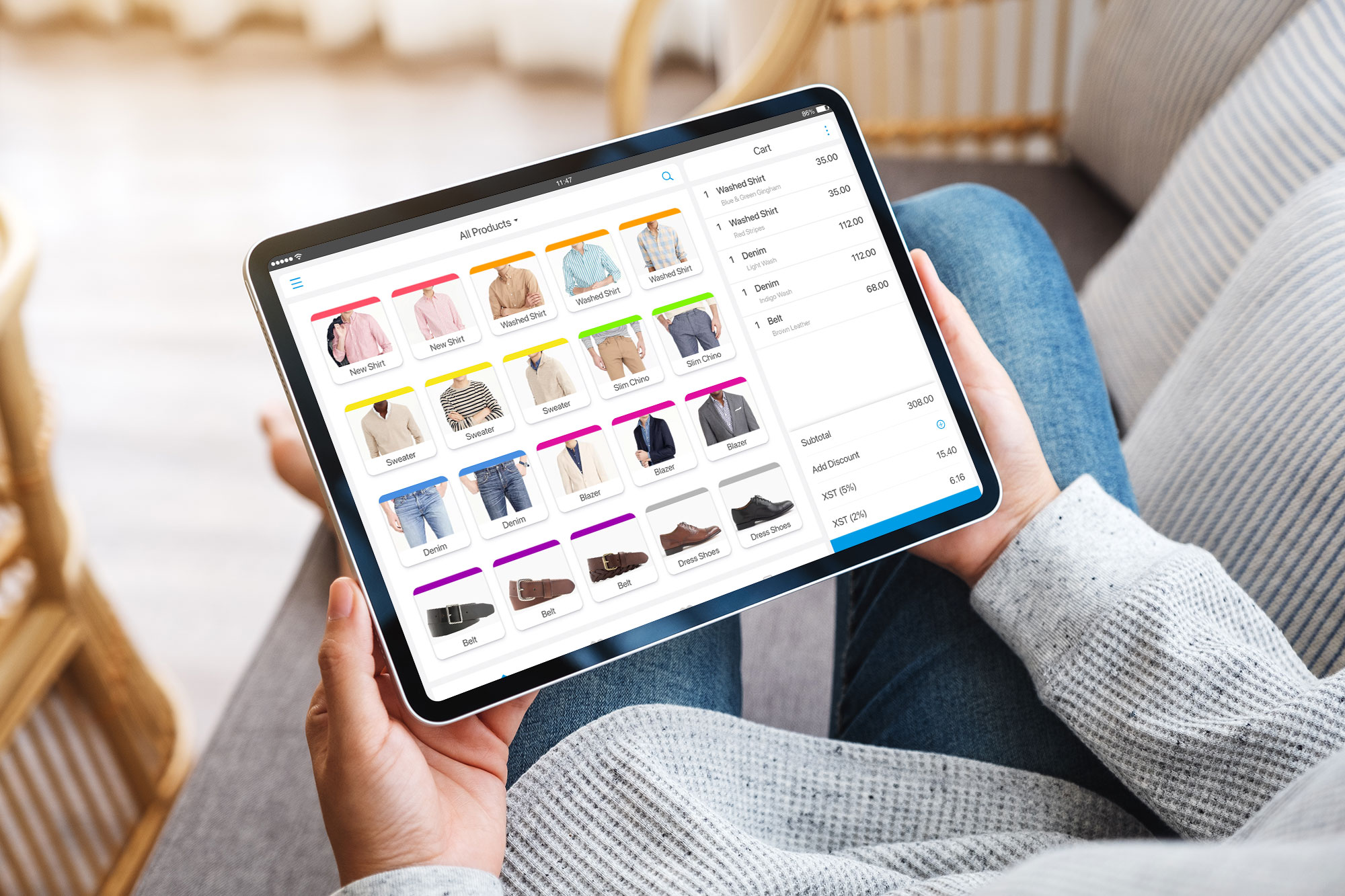
DREAM POS
Mobile Application – UI/UX
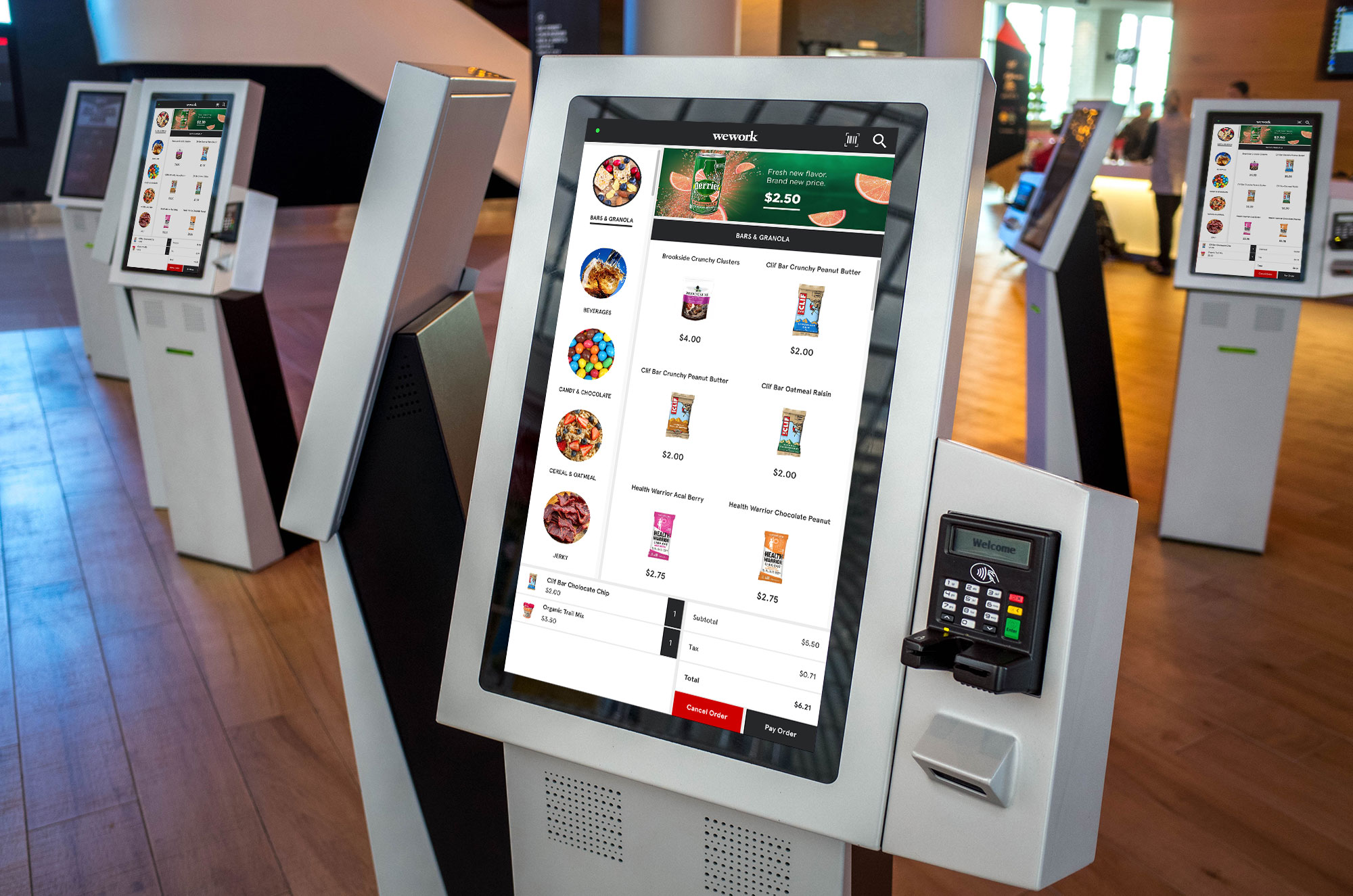
WEWORK
Kiosk Application – UI/UX